Houston Roadside Assistance Services for Fast Vehicle Recovery
Experienced Tire Solutions: Get Back on the Road Safely and Without Delay
Expert tire maintenance play a vital role in ensuring vehicle safety and performance. Trained technicians conduct comprehensive inspections to detect various tire problems. From punctures to alignment problems, each concern needs meticulous attention. Understanding when to obtain professional help can avoid further complications. As drivers navigate these difficulties, they may question about the best restoration options and upkeep practices. Exploring these topics can lead to informed decisions and safer journeys ahead.
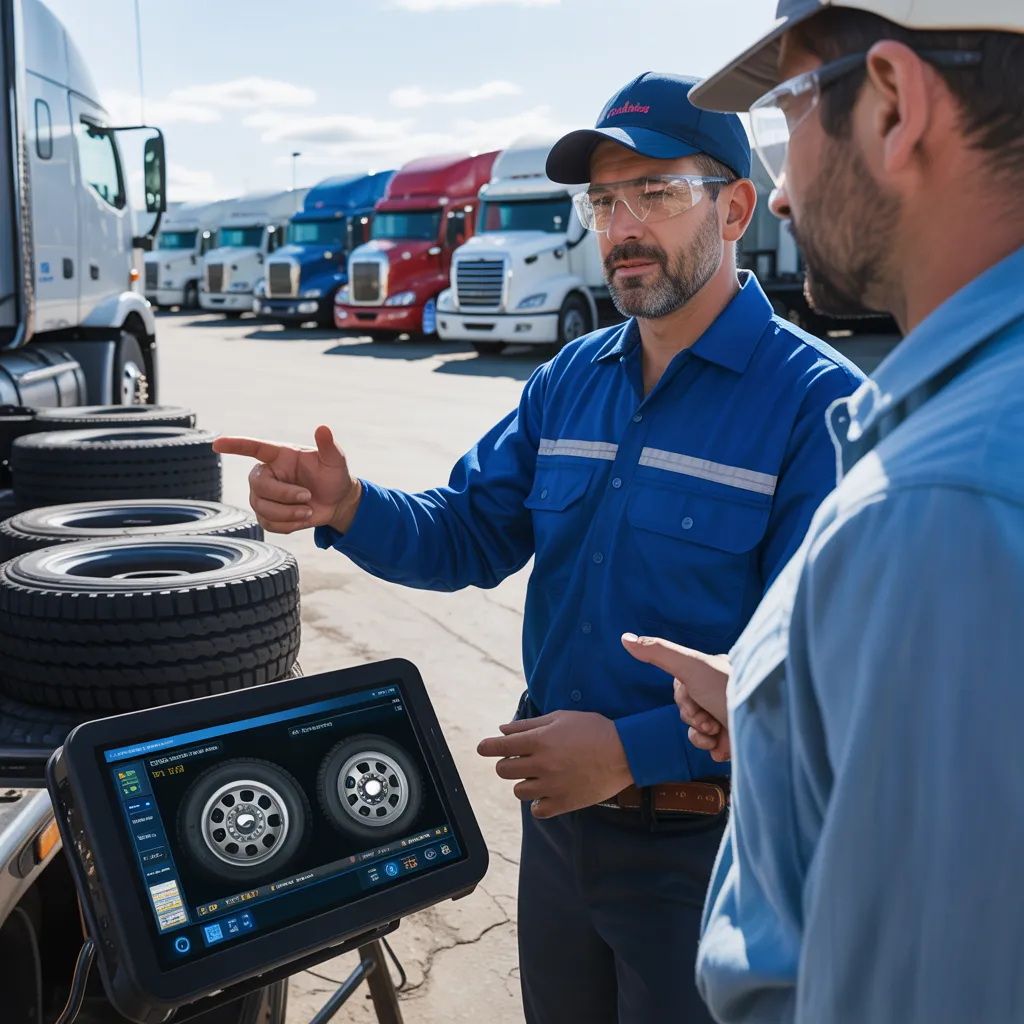
Common Tire Problems to Know
When drivers ignore their tires, they may face several common issues that can compromise safety and performance. One frequent occurrence is underinflation, which can result in increased tire wear and lower fuel efficiency. Over time, this can lead to the tires to overheat, boosting the risk of a blowout. Another common problem is tread wear, which affects traction and handling, particularly in wet conditions. Uneven wear may indicate alignment or suspension issues, necessitating further inspection. Additionally, drivers may face punctures or sidewall damage from road hazards, resulting in slow leaks or complete tire failure. Regular tire rotations, inspections, and proper inflation are critical for preventing these issues. Finally, climate effects can also contribute to tire degradation, making it essential for drivers to pay close attention to their tire health. By recognizing these common problems, drivers can improve their safety on the road.
How to Know When to Get Tire Maintenance?
Identifying the markers that tire repairs are important is critical for maintaining vehicle protection and capability. Drivers ought to stay alert for specific indicators that reveal tire complications. Asymmetrical wear patterns on the tread, for example, may signal tracking complications or inadequate air pressure. Moreover, obvious deterioration, like gashes, bulges, or perforations, commonly requires quick attention. A sudden reduction of air pressure or recurring requirement for air filling also tells that repairs may be essential.
Drivers should pay close attention to handling and performance changes, such as tremors or pulling to one side, which could point to tire imbalances or internal damage. Finally, regularly checking the depth of the tire tread is vital; tires with patches of wear affect traction. By monitoring these signs, drivers can ensure timely repairs, increasing both safety and vehicle longevity. Addressing these issues promptly not only prevents potential accidents but also lowers more extensive repair costs down the line.
What to Expect During the Tire Fix Process
The tire maintenance process generally involves several key steps to guarantee safety and performance. At first, a technician inspects the tire for visible damage and judges its entire condition. This examination assists in determining whether the tire can be repaired or needs replacement. After the inspection, the technician might detach the tire from the wheel to detect punctures or hidden damage.
Once any issues are found, the specialist cleans the damaged area and prepares it for repair. This may involve installing a seal or plug, depending on the type and location of the harm. After the repair is completed, the tire is reinstalled and properly inflated to the manufacturer's requirements.
Finally, a quality control review confirms that the service fulfills safety criteria. Throughout the process, experts prioritize feedback exchange, advising the customer of details and recommendations. This structured approach promises a solid restoration, allowing drivers to proceed to the road with confidence.
DIY Tire Repairs vs. Professional Help
After comprehending the tire fixing procedure, many drivers may consider whether to handle repairs on their own or seek expert help. DIY tire fixes can be attractive, particularly for those with fundamental mechanical skills and tools. Basic holes can often be fixed using fix kits available at auto supply stores, saving both time and cost. However, this method involves dangers if proper techniques are not used, potentially leading in further harm or security risks.
On the flip side, professional tire repair services deliver knowledge and cutting-edge equipment. Skilled technicians can properly evaluate tire damage, guaranteeing repairs remain both effective and secure. They can also uncover concealed issues that a do-it-yourself method might overlook. In the end, the decision regarding DIY repairs versus professional assistance is based on the driver's self-assurance, background, and how serious the tire damage is. Establishing a thoughtful choice is vital for maintaining safety while driving.
Guide to Selecting the Optimal Tire Repair Service
How should drivers make sure they choose the finest tire repair service? First, they should research regional options, focusing on customer feedback and evaluations. This information provides clarity into the service quality and consistency of various shops. Next, checking for certifications and memberships with recognized automotive organizations can indicate skill and expertise.
Furthermore, drivers should inquire into the varieties of repairs available, making sure the service can address their unique tire concerns. Clear pricing structures is also important; reliable establishments deliver straightforward quotes without surprise fees.
Additionally, reviewing the shop's warranty policies on services can offer confidence. Finally, convenience matters—location relative to home or work, as well as available hours, can impact the decision. By considering these factors, automobile owners can with certainty choose a repair facility that meets their needs with success.
Importance of Regular Tire Care
Regular tire maintenance delivers numerous benefits that extend the lifespan and output of tires. By routinely checking tire air pressure, tread wear, and overall condition, vehicle owners can guarantee ideal traction and handling. Proper inflation decreases deterioration, enhancing fuel efficiency and reducing costs at the pump. In addition, regular inspections can help identify issues such as uneven wear or harm, allowing for prompt fixes that prevent greater issues down the road.
Taking care of auto tires additionally improves safety by reducing the likelihood of blowouts or accidents caused by insufficient tread. Moreover, a well-maintained set of tires contributes to a smoother ride, improving comfort for both the driver and passengers. When individuals devote time to regular tire care, they can increase the value of their investment, ensuring reliable performance and peace of mind during driving. Finally, maintaining tires regularly is a crucial element of being a responsible vehicle owner.
Tips for Preventing Future Tire Problems
Being active in tire upkeep can greatly decrease the likelihood of upcoming issues. Regularly checking tire pressure is vital; low pressure can lead to early wear and reduced fuel efficiency. It is advisable to examine tires for visible harm, such as cuts or bulges, which may indicate structural issues. Turning tires every 5,000 to 8,000 miles helps guarantee even wear, extending their lifespan.
Moreover, maintaining correct alignment and balance is important to avoid uneven tread wear. Drivers should also monitor tread depth, using the penny test as an effective method; if Lincoln's head is visible, it's time for a replacement. Finally, avoiding excessive loading can prevent excessive strain on tires. By executing these strategies, vehicle owners can enhance tire lifespan and promote a safer driving experience.

Frequently Inquired Questions
What timeframe should you expect for a standard tire repair?
A routine tire repair ordinarily requires roughly 30 minutes to an hour contingent on the level of damage and the exact repair needed. Aspects like technician availability and shop workload can also impact the length of time.
Is Every Wheel Kind Capable of Being Restored?
Not all tire types can be repaired. Generally, punctures in the tread background information area of passenger tires may be fixable, while sidewall damage, excessive deterioration, or tires with multiple repairs often require new tires to ensure safety.
What Is the Price of Tire Maintenance?
The charge for tire repairs commonly ranges from $10 to $30, influenced by the level of damage and geographic location. Important factors like tire type and your chosen provider can modify the ultimate price, creating variability.
Does Your Insurance Cover Tire Fixes?
Coverage for tire fixes differs by your insurance plan. Some plans offer roadside assistance and repair costs, though some policies may exclude such benefits. It's essential for individuals to review their particular coverage information to establish what coverage covers tire repairs.
What Ways Can Help Me to Extend My Tire's Lifespan?
To prolong a tire's service life, consistent upkeep is crucial. This encompasses keeping tire pressure at correct levels, rotating tires frequently, ensuring proper alignment, preventing overload conditions, and checking tread wear for indicators of deterioration or harm.